Recycling and Sustainability at Maida Vale Removals
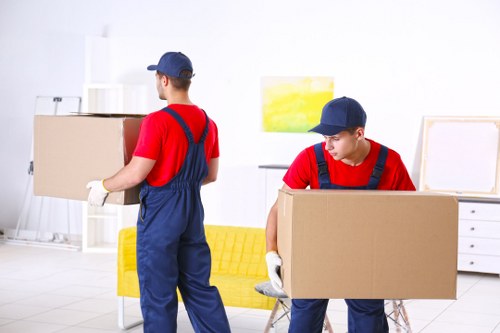 At Maida Vale Removals, sustainability is built into the way we plan, pack, move, and dispose of items. Our approach to removals recycling is designed to keep reusable goods in circulation and reduce the amount sent to landfill. We aim to achieve a minimum recycling and reuse rate of 85% across suitable items collected during domestic and commercial moves, with the remainder handled responsibly through approved waste routes. This commitment supports cleaner streets, lower emissions, and a more efficient local materials loop.
We work with a practical, borough-by-borough understanding of waste separation, because local recycling rules can differ across nearby councils. In some areas, mixed dry recycling is accepted in one stream, while other boroughs place a stronger emphasis on separating cardboard, metal, glass, and plastics at the point of disposal. By sorting items carefully before they leave a property, our team helps make sure more material enters the correct recycling channel. That means fewer cross-contamination issues and better outcomes for household recycling and commercial clearances alike.
Our goal is simple: make removals and recycling part of one smooth, responsible process. From furniture and white goods to books, textiles, and electricals, items are assessed for reuse, repair, recycling, or safe disposal. The result is a service that prioritises environmental care without slowing down the move itself.
Local Recycling Routes and Transfer Stations
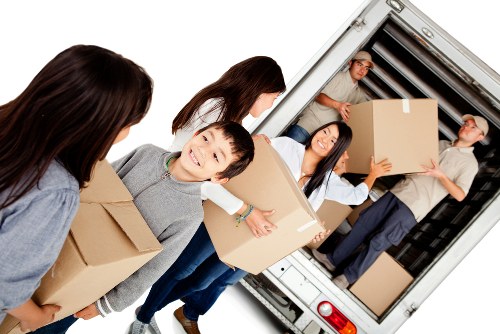 A key part of our sustainability plan is using local transfer stations and licensed facilities that support efficient sorting and recovery. When waste must be removed, we choose routes that reduce unnecessary mileage and keep disposal local wherever possible. This helps cut transport emissions and supports borough-level recycling systems that rely on well-managed delivery of sorted materials.
In practice, this means separating reusable furniture from broken items, flattening cardboard, keeping metals apart where feasible, and directing specialist waste to approved facilities. For example, old wardrobes and tables may be diverted for reuse or material recovery, while broken appliances are taken to appropriate WEEE streams. This is especially important in neighbourhoods where councils encourage residents and businesses to separate dry recyclables from residual waste as part of broader waste reduction targets.
We also keep an eye on local borough guidance around paper recycling, mixed containers, and bulky waste. Some councils place emphasis on clear streams for food waste, cardboard, and green waste, while others operate more flexible recycling collections. By aligning our handling methods with these local practices, Maida Vale Removals recycling operations support better sorting from the start and improve the chance that materials are recovered instead of discarded.
Charity Partnerships and Reuse First
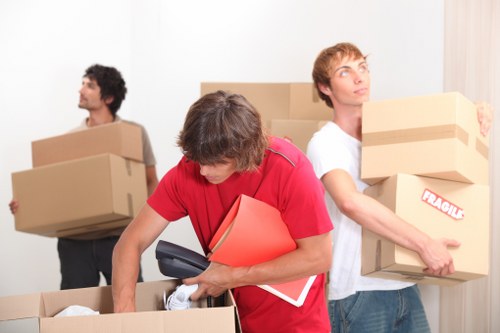 Recycling is only one part of the picture; reuse is even better when possible. That is why we maintain partnerships with charities, community organisations, and reuse networks that can give unwanted items a second life. Sofas in good condition, dining sets, office desks, shelving, and other usable household goods may be directed toward charitable channels rather than breaking them down for materials.
This reuse-first approach has real environmental value. Extending the lifespan of a product usually saves more carbon than recycling it after disposal, especially for furniture and electronics that required significant energy and raw materials to produce. It also helps local communities by supporting low-cost furnishing, project spaces, and circular-use initiatives. Where items are not suitable for donation, we prioritise recycling pathways that recover timber, metals, textiles, and plastics separately.
Our team is careful to assess condition, safety, and suitability before any donation route is chosen. Upholstered items, electrical appliances, and office equipment are checked against the standards expected by partner organisations. In this way, sustainable removals are not just about removing waste; they are about making sure the right item ends up in the right place, with as little environmental impact as possible.
Low-Carbon Vans and Efficient Collections
 Transport is another major part of our sustainability strategy, and our low-carbon vans play an important role. We operate vehicles designed to improve fuel efficiency and reduce emissions, helping lower the footprint of every move. Route planning is also a key factor: by grouping collections, avoiding unnecessary backtracking, and choosing the most direct path to local facilities, we reduce idle time and fuel use.
We also train crews to load vehicles efficiently so that fewer trips are needed. A well-packed van can carry more sorted material in one journey, which is better for the environment and often more practical for customers too. Combined with careful scheduling, this approach supports our target of reducing waste movement emissions while maintaining a dependable service.
As boroughs continue to expand their recycling ambitions, low-emission transport becomes even more important. Whether serving homes, offices, or estate properties, our eco-friendly removals model is built to complement local waste separation systems and support the wider move toward cleaner urban logistics.
A Responsible Approach for Homes and Businesses
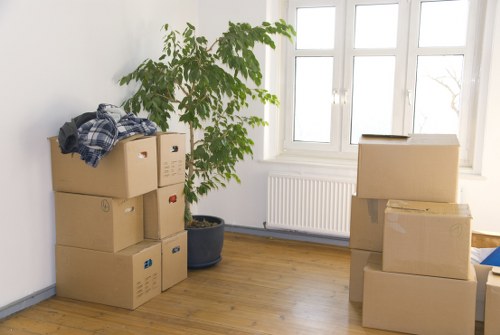 Maida Vale Removals is committed to being more than a transport provider. We are working to make green removals a practical standard, combining sorting, reuse, local recycling, and lower-emission travel into one joined-up service. For customers, that means fewer items going to landfill, better use of local transfer stations, and a clearer environmental chain of custody for unwanted goods.
Our recycling percentage target is ambitious because the need is clear: communities want cleaner outcomes, boroughs want improved diversion from landfill, and businesses want sustainable handling they can trust. By focusing on separable materials, supporting charity partnerships, and using low-carbon vans, we aim to deliver a removal service that respects both the property being cleared and the environment around it. In every move, responsible disposal and sustainability remain central to how we work.