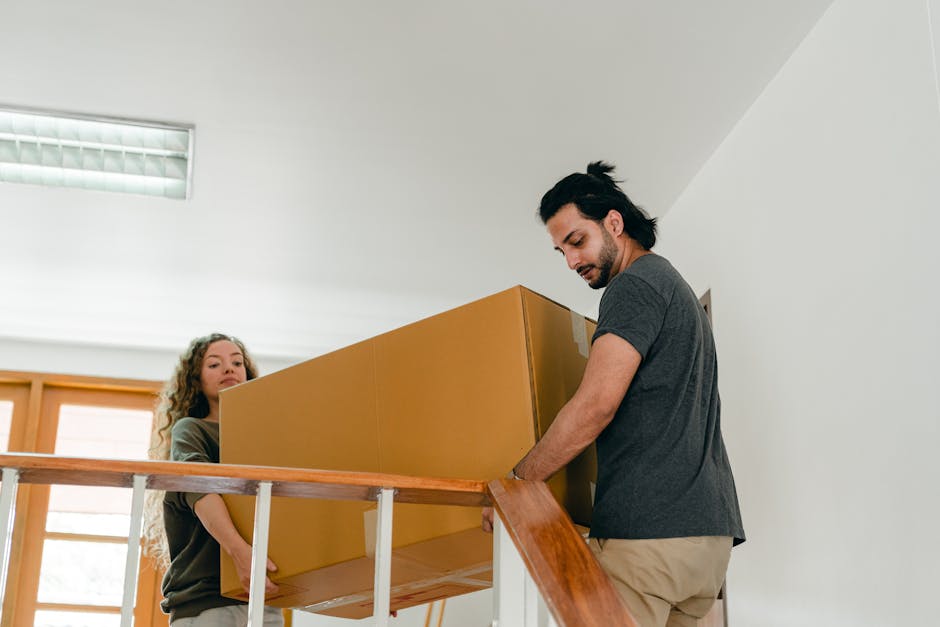
Maida Vale house removals insider tips for Clifton Road moves
Posted on 28/04/2026
If you are planning a move around Clifton Road, you already know this is not the kind of job you want to improvise on moving day. Maida Vale streets can look calm and straightforward at a glance, but once a van, parked cars, narrow access points, and a busy schedule enter the picture, small details start to matter fast. The best Maida Vale house removals insider tips for Clifton Road moves are the ones that help you save time, reduce lifting, and avoid those annoying little setbacks that turn a tidy move into a long day.
This guide is built for real moving conditions: flats, terraces, maisonettes, side streets, controlled parking, awkward furniture, and the simple fact that London moving day rarely behaves exactly as planned. You will find practical planning advice, local access considerations, packing tactics, common mistakes, compliance basics, and a clear checklist you can actually use. If you want a trusted removal service benchmark while you compare options, it also helps to review a provider's services overview and see whether they cover the kind of move you need.
Expert summary: The smoother Clifton Road moves are rarely about brute force. They usually come from timing, access planning, sensible packing, and choosing the right vehicle and team for the building layout.

Why Maida Vale house removals insider tips for Clifton Road moves Matters
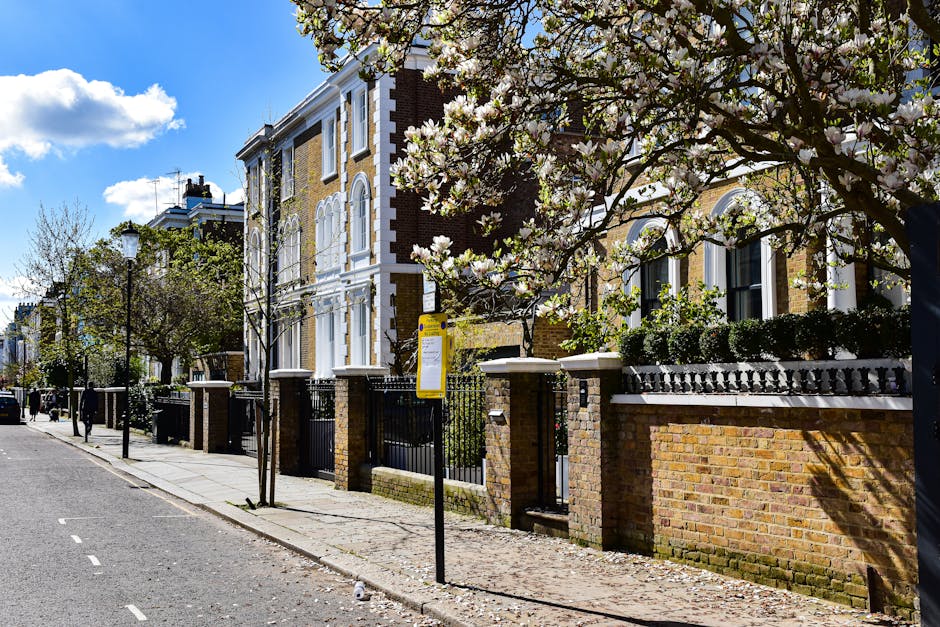
Clifton Road moves sit in a very specific kind of London context: attractive residential streets, period properties, varied building access, and neighbours who notice if a van blocks a road longer than expected. That combination means your moving plan needs to be more thoughtful than a generic "load everything and go" approach.
The practical challenge is usually not one huge issue. It is a chain of smaller ones: a sofa that will not clear a stair turn, a van that cannot park where you assumed, a lift that is too small for a wardrobe, or a parking arrangement that was never confirmed. A solid removals plan anticipates these obstacles before anyone carries the first box.
That is why local knowledge matters. In Maida Vale, especially on streets like Clifton Road, a good move is often won in the planning stage. If you are comparing professional support, it can help to look at dedicated house removals in Maida Vale rather than a one-size-fits-all service, because home layouts and access conditions can vary so much from building to building.
There is also a reassurance factor. When you know what to expect, the day feels manageable. You can keep valuables with you, sequence the load properly, and avoid that frantic feeling that often comes from not knowing whether the van will fit, whether the parking is sorted, or whether the furniture will actually make it down the stairs intact. Truth be told, moving day is stressful enough without mystery access problems.
How Maida Vale house removals insider tips for Clifton Road moves Works
A well-run Clifton Road move usually follows a simple but disciplined chain: survey, plan, pack, protect, load, transport, unload, and check. The details in each step are what separate a smooth move from a chaotic one.
1. Survey the property and the street
Start by assessing both the home and the outside access. Measure the largest items, note stair width, and check whether there are tight corners, low ceilings, or narrow entrance halls. Outside, think about loading space, possible double parking issues, and whether the van will need to stop a short walk away from the front door.
2. Match the vehicle and crew to the job
Not every move needs a large removal lorry. Some Clifton Road properties are better served by a smaller, more agile vehicle or a flexible man and van service. For more substantial homes or heavier furniture, a larger vehicle and a more experienced team may be the safer choice. The aim is not to choose the biggest van. It is to choose the right one.
3. Pack by priority, not by room alone
Room-based packing is useful, but priority-based packing is even better. Put essentials, valuables, and documents together so they can be reached immediately. Label boxes clearly with destination room and content category. If you need supplies or support, a dedicated packing and boxes service can reduce the risk of weak cartons, wasted time, and overfilled boxes.
4. Protect the items that are hardest to replace
Artwork, mirrors, consoles, lamps, electronics, and anything fragile should be wrapped properly, not casually padded with old newspaper and optimism. Use blankets, bubble wrap, corner protectors, and sturdy tape. If you have specialist pieces, ask for an approach that fits the item rather than forcing it into a generic process.
5. Load in the correct order
Heavy, stable items usually go first, with lighter and fragile items secured above or around them. Good loading is about weight distribution and movement control. If the van is packed badly, even short journeys can lead to shifting, breakage, or wasted unloading time.
6. Unload with the destination in mind
At the new property, do not dump everything in the hallway and hope for the best. Direct boxes to the right rooms immediately. That little bit of structure saves hours later and keeps the property navigable while furniture is assembled.
Key Benefits and Practical Advantages
Using localised removals insight for Clifton Road offers practical advantages that are easy to underestimate until you have lived through a move without them.
- Less wasted time: Access planning cuts down on delays caused by blocked roads, awkward loading points, or repeated trips.
- Lower risk of damage: Better packing and better load ordering protect fragile pieces and heavier furniture.
- Reduced stress: You know what is happening and when, which makes the whole day feel calmer.
- Better use of manpower: The team spends more time moving items and less time solving avoidable problems.
- Improved neighbour relations: Careful timing and tidy loading help avoid unnecessary disruption.
- Smarter budgeting: Fewer complications usually mean fewer surprise costs and less time overrunning.
One especially useful benefit in Maida Vale is flexibility. The area includes a mix of property types, so a move can be tailored more efficiently when the team understands whether they are dealing with a family house, a top-floor flat, a basement property, or a home with restricted roadside access. If you are still deciding on the broader area context, our linked reading on whether Maida Vale is a good place to live gives a useful local backdrop.
Who This Is For and When It Makes Sense
This guidance is useful if you are moving into, out of, or within Clifton Road and want fewer surprises on the day. It is particularly relevant for:
- Homeowners moving between larger properties with significant furniture
- Tenants relocating from flats where stairs, lifts, or entry access may be tight
- Families who need a staged move with children's items, furniture, and essentials separated
- Professionals who want a fast, tidy move with minimal disruption
- Anyone moving expensive or awkward items such as pianos, mirrors, or large wardrobes
- People under time pressure who need a structured moving plan rather than guesswork
It also makes sense if you are comparing service types. A smaller move might work well with a man with a van in Maida Vale, while a bigger household move may call for a full removals package. If you are unsure, reviewing removal services in Maida Vale can help you match the service to the complexity of the move rather than to the postcode alone.
Step-by-Step Guidance
Here is a practical way to organise a Clifton Road move without overcomplicating it.
- Book early and confirm access details. Share the building type, floor level, parking realities, and any restrictions.
- Measure furniture before moving day. Do not assume a wardrobe, bed frame, or sofa will fit through every turn.
- Sort what you are actually taking. Moving is the best time to donate, recycle, or store what you no longer need.
- Gather packing supplies. Choose good boxes, tape, labels, covers, and wrap.
- Pack a first-night essentials bag. Include chargers, toiletries, medication, documents, snacks, and a change of clothes.
- Reserve loading space where possible. If parking is tight, plan for it in advance rather than hoping a space opens magically.
- Prepare pathways in both properties. Clear hallways, rugs, and low obstacles before the crew arrives.
- Label clearly by room. This is one of the simplest ways to speed up unloading.
- Keep valuables with you. Passports, jewellery, computers, and essential paperwork should stay under your control.
- Walk through the property at the end. Check cupboards, lofts, under beds, meter cupboards, and behind doors.
If you are moving out on a deadline, there is a sensible middle ground between panic and perfection. For urgent cases, a same day removals option can be useful, but only if the access, packing, and timing are realistic. Same day help is a solution, not a substitute for basic preparation.
Expert Tips for Better Results
These are the kinds of details experienced movers tend to care about because they solve problems before they start.
Use "load order" labels, not just room labels
Room labels are useful, but load order labels help the team place the right items on the van first. For example, "Load last / unload first" can be added to essentials or furniture required immediately on arrival.
Separate dismantled parts in clearly marked bags
Screws, bolts, Allen keys, and shelf pins disappear more often than people expect. Put them in labelled bags and tape them to the relevant furniture, or keep them in one master hardware pouch.
Take photos before disassembly
A quick phone photo of cable layouts, shelving, or item positions can save real time during reassembly. It is a small habit, but it prevents the classic "how did this go back together?" moment.
Think about stair turns before the van arrives
If a sofa already looks challenging in the hallway, do not wait until moving day to discover it needs to be rotated in a particular way. A good move manager will plan around turns, landings, and door clearances in advance.
Use storage strategically
If completion dates, decorators, or furniture delivery windows do not line up, temporary storage can keep the move calm. That is particularly helpful for staged relocations, downsizing, or move-in delays. For those situations, storage in Maida Vale can be a practical bridge rather than a last-minute rescue.
Be honest about access constraints
This is one of the most important tips. If there is no easy parking, a narrow entrance, or a protected building entrance, say so early. Good planning depends on accurate information, not wishful thinking.
And yes, the tape gun will always disappear at the exact wrong moment unless you keep it in one place. That part seems to be a universal law of moving day.
Common Mistakes to Avoid
Most moving-day headaches are avoidable. Here are the mistakes that cause the most unnecessary friction.
- Underestimating access difficulty: A street that looks manageable on a map may be awkward in practice.
- Using weak boxes: Overfilled supermarket boxes can split at the worst time.
- Packing heavy items badly: Books, crockery, and files should not all go into one massive box.
- Not measuring large furniture: Guesswork is rarely kind to wardrobes and sofas.
- Leaving everything for the morning of the move: Last-minute packing is a fast way to create mistakes.
- Ignoring building rules: Some properties have quiet hours, loading preferences, or shared access constraints.
- Forgetting insurance checks: Not all services offer the same cover or terms, so clarify what is included.
- Failing to set aside essentials: If the kettle, charger, and documents are buried, the first evening becomes harder than it needs to be.
Another common issue is overcommitting to a vehicle size that sounds efficient but is not practical for the building or the parking situation. Smaller access points may reward a more agile vehicle and a better loading plan. That is why comparing removal van options in Maida Vale can be more useful than simply asking for the biggest van available.
Tools, Resources and Recommendations
You do not need specialist equipment for every move, but a few well-chosen tools make a visible difference.
- Sturdy cardboard boxes: Use consistently sized boxes where possible for easier stacking.
- Packing tape and dispenser: Fast, neat sealing matters more than people think.
- Labels and marker pens: Clear room and priority labels speed up both loading and unloading.
- Furniture blankets and covers: Useful for protecting wood, fabric, and finished surfaces.
- Bubble wrap and paper wrap: Best for delicate items and awkward edges.
- Ratchet straps and ties: Helps secure heavier items in transit.
- Basic toolkit: Screwdrivers, Allen keys, and pliers are often enough for ordinary disassembly.
For a fuller view of support options, consider browsing furniture removals in Maida Vale if you have bulky pieces, and piano removals in Maida Vale if you have a specialist instrument that needs careful handling. Those services are not identical, and that distinction matters. A piano, for instance, is not just "heavy furniture with keys on top."
If you are still comparing providers, it is also worth checking a company's broader information pages, such as insurance and safety, so you understand how they approach risk, transport, and item protection. Good logistics and clear risk handling usually go together.
Law, Compliance, Standards, or Best Practice
For house removals in the UK, the main compliance questions are usually practical rather than dramatic: parking permissions, access rules, safety, item handling, and the terms of the service itself. The precise obligations can vary depending on the property, the street, and the service provider, so it is wise to confirm the details rather than assume them.
A few sensible best-practice points apply almost everywhere:
- Check parking and loading permissions: Do not leave this to chance, especially in residential streets where space is limited.
- Clarify insurance cover: Understand what is covered during loading, transit, and unloading.
- Ask about manual handling practice: Safe lifting and proper team coordination help prevent injury and damage.
- Read the service terms: Cancellation rules, delays, and responsibility for access issues should be clear.
- Respect building and neighbour rules: Shared entrances, quiet hours, and corridor protection can all matter on the day.
If you want a provider that explains these topics plainly, review their terms and conditions and health and safety policy. You can also check the company's about us page to understand how they present their experience and service approach. That may sound basic, but it is often where you separate a tidy professional operation from a purely transactional one.
Options, Methods, or Comparison Table
There is no single best moving method for every Clifton Road property. The right choice depends on item volume, access, budget, and timing.
| Moving option | Best for | Strengths | Watch-outs |
|---|---|---|---|
| Man and van | Smaller moves, partial loads, student or one-bedroom jobs | Flexible, practical, often quicker to book | Less ideal for very large homes or complex access |
| Full house removals | Family homes, larger furniture sets, more fragile loads | More structured, better for bigger planning needs | Requires more preparation and scheduling |
| Specialist furniture service | Bulky or valuable items such as sofas or pianos | Better handling for awkward items | Usually needs item-specific coordination |
| Storage-assisted move | Staged relocations or date gaps | Useful when move-in timing is uncertain | Requires more planning and extra handling steps |
For a straightforward comparison of service fit, some readers also find it helpful to look at general removals in Maida Vale alongside more specific options. That gives you a better sense of where the service boundaries are and what level of support you actually need.
Case Study or Real-World Example
Consider a typical Clifton Road scenario: a couple moving out of a first-floor flat with a sofa, dining table, bed frame, several boxes of books, artwork, and a few fragile kitchen items. The street is pleasant but parking is limited, and the building has a narrow entrance hall. They initially assume a standard van and a quick morning pack will be enough.
Once the access details are reviewed properly, the plan changes. The sofa is measured first. The table legs are removed in advance. Boxes of books are split into smaller loads. The most fragile artwork is wrapped separately. Parking is checked earlier than originally planned. A room-by-room labelling system is used, but load priority labels are added so the first essentials can come off the van quickly.
The result is not magical. It is simply organised. The team spends less time deciding what to do next, and the clients avoid the classic end-of-day scramble for a charger, a teapot, and the one box with the bedding in it. The move still takes effort, but it feels controlled rather than chaotic.
That kind of outcome is exactly why local removals insight matters. It does not remove the work. It removes the avoidable friction.
Practical Checklist
Use this checklist in the week leading up to your move.
- Confirm move date, arrival time, and access details
- Measure large furniture and doorways
- Reserve or check parking/loading arrangements
- Book the right level of service for your property size
- Collect boxes, tape, labels, wrap, and blankets
- Pack valuables and essentials separately
- Notify neighbours or building management if needed
- Disassemble furniture that will not fit intact
- Protect floors, corners, and fragile surfaces where necessary
- Label every box clearly by room and priority
- Keep documents, keys, and chargers in one secure place
- Walk through both properties before and after loading
- Keep a small kit for the first night: kettle, toiletries, snacks, and phone chargers
Quick takeaway: If you do only three things well, make them access planning, careful packing, and clear labelling. Those three alone will solve a surprising amount of moving-day stress.
Conclusion
Moving on or around Clifton Road in Maida Vale does not have to be complicated, but it does need proper planning. The best results usually come from understanding the street, choosing the right kind of removals support, packing intelligently, and being realistic about access. That combination keeps the day calmer, safer, and far more efficient.
Whether you are moving a full family home, a flat with tight stairs, or a smaller load that needs a flexible crew, the goal is the same: reduce friction and make the process feel controlled. If you want to explore service options, support pages, and trust information before you book, start with the site's service pages, then use the contact route that suits you best.
Get a free quote today and see how much you can save.
For a next step, you can also review the company's pricing and quotes page, read the recycling and sustainability information if you are decluttering, or head to contact us to discuss the move in more detail.